
The Farm
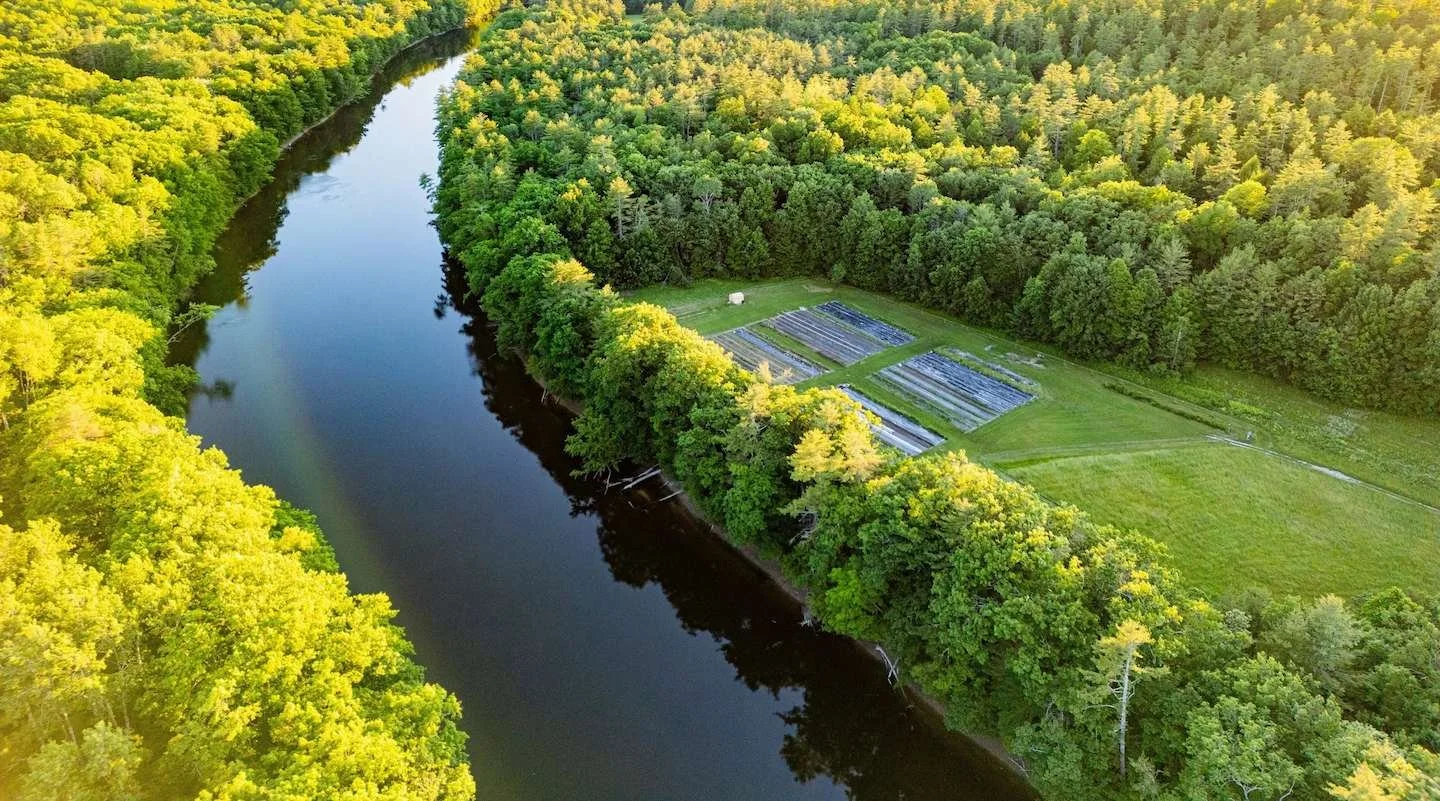
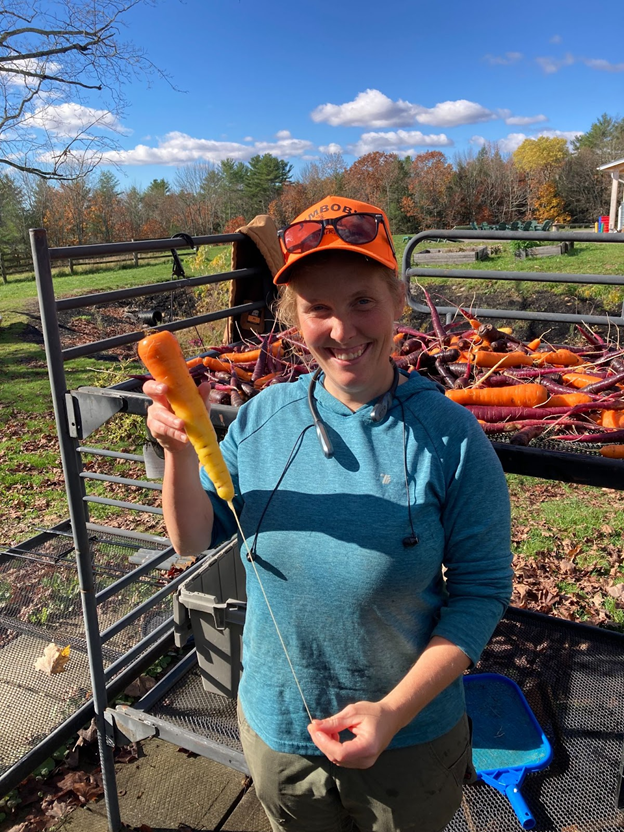
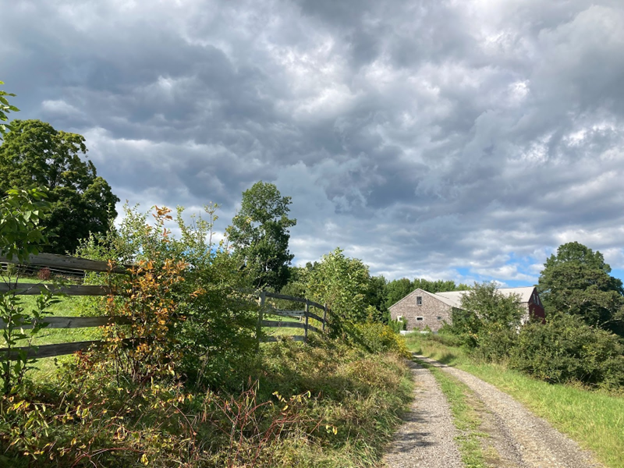
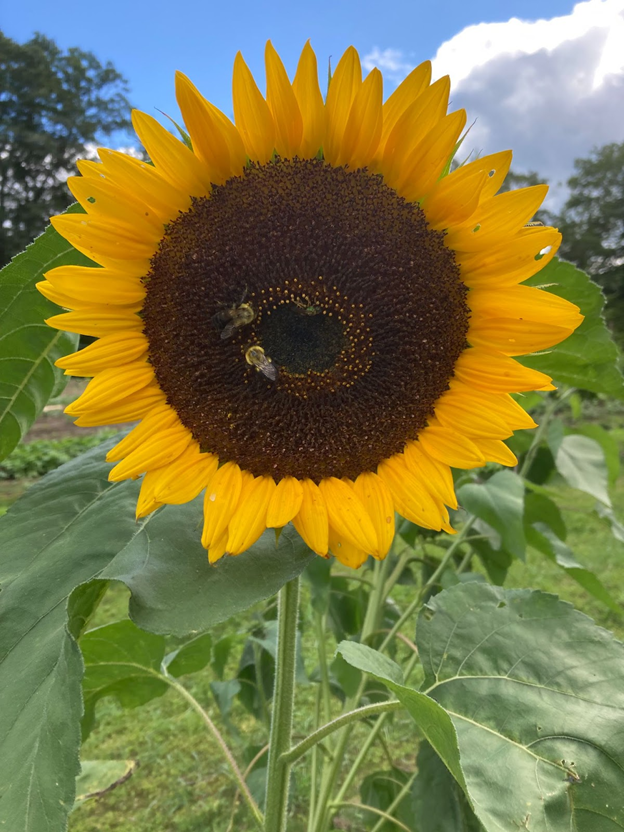
River Bend Farm sits on 313 acres along the Saco River and is home to our low-till, diversified vegetable and flower production field, immersive educational foodscapes, orchards, productive hayfields, and sustainably managed woodlands. Throughout our growing spaces, we aim to foster a healthy and vibrant farm ecosystem by working with natural systems to demonstrate a wide range of regenerative farming practices. We utilize practices like cover cropping, crop rotation, deep mulch, diversified planting to encourage beneficial insects & pollinators, and minimizing soil disturbance, improving soil health and productivity.
From humble beginnings at Ferry Beach, our farming adventures began with a quarter-acre demonstration garden where our team developed food systems education on a micro-scale. The garden was built on sandy soil, utilizing lasagna bed techniques and amended with seaweed from the adjacent beach. Upon our move to River Bend Farm in 2020, we expanded our growing spaces, capacity for food production, and food systems education on the beautiful soil along the Saco River. Maine Farmland Trust now holds an agricultural conservation easement on 298 acres of the property, permanently protecting River Bend Farm as a Forever Farm.
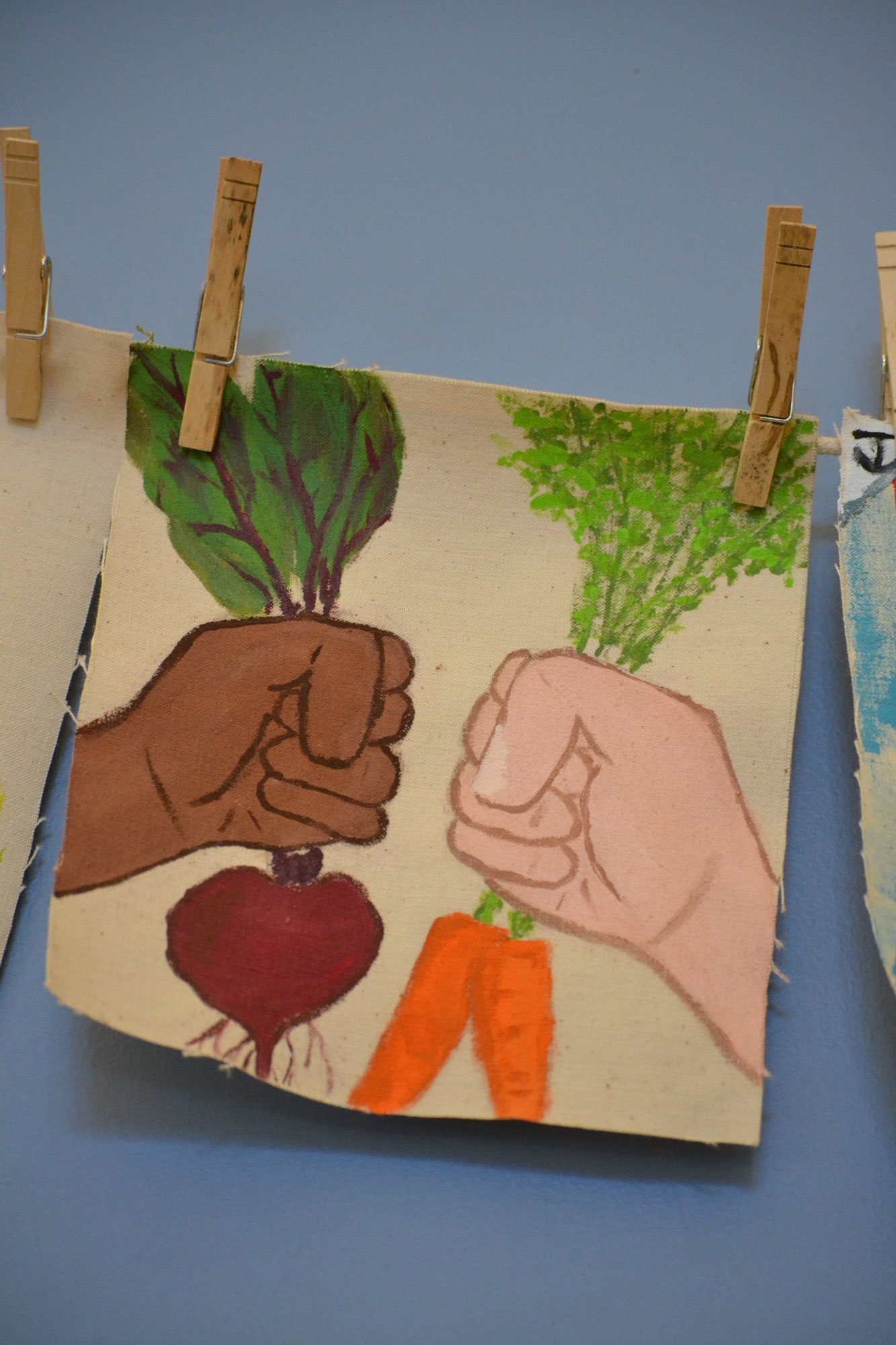
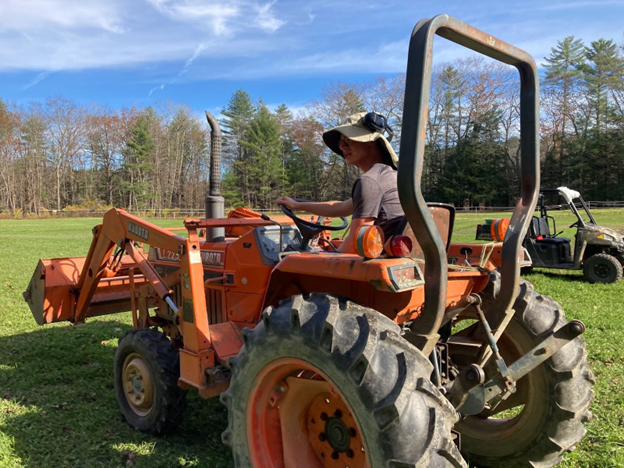
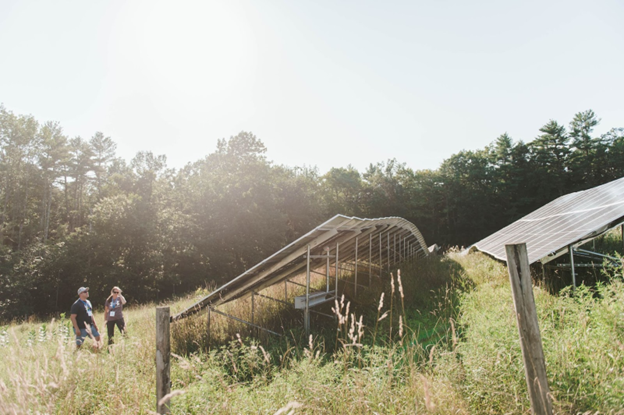
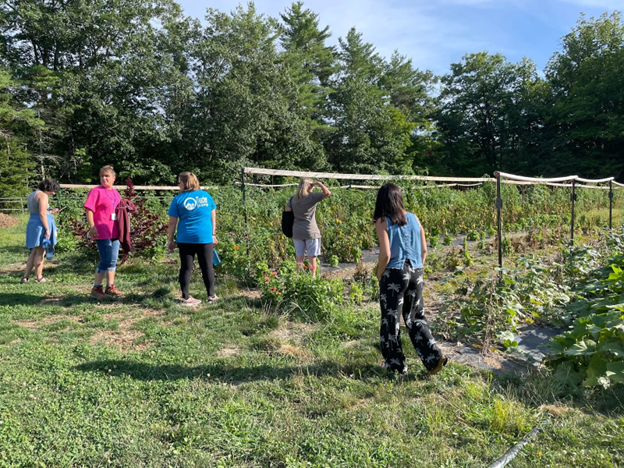
Agroecology at River Bend Farm & Beyond
The AgroEcology for Resilient Communities (ARC) Project supports the development of regenerative, sustainable, and equitable food systems in Maine and the Northeast through a range of initiatives, including:
Food Systems Education & Farm to Table Initiative
Community Partnerships and Local Food Pantry Donations
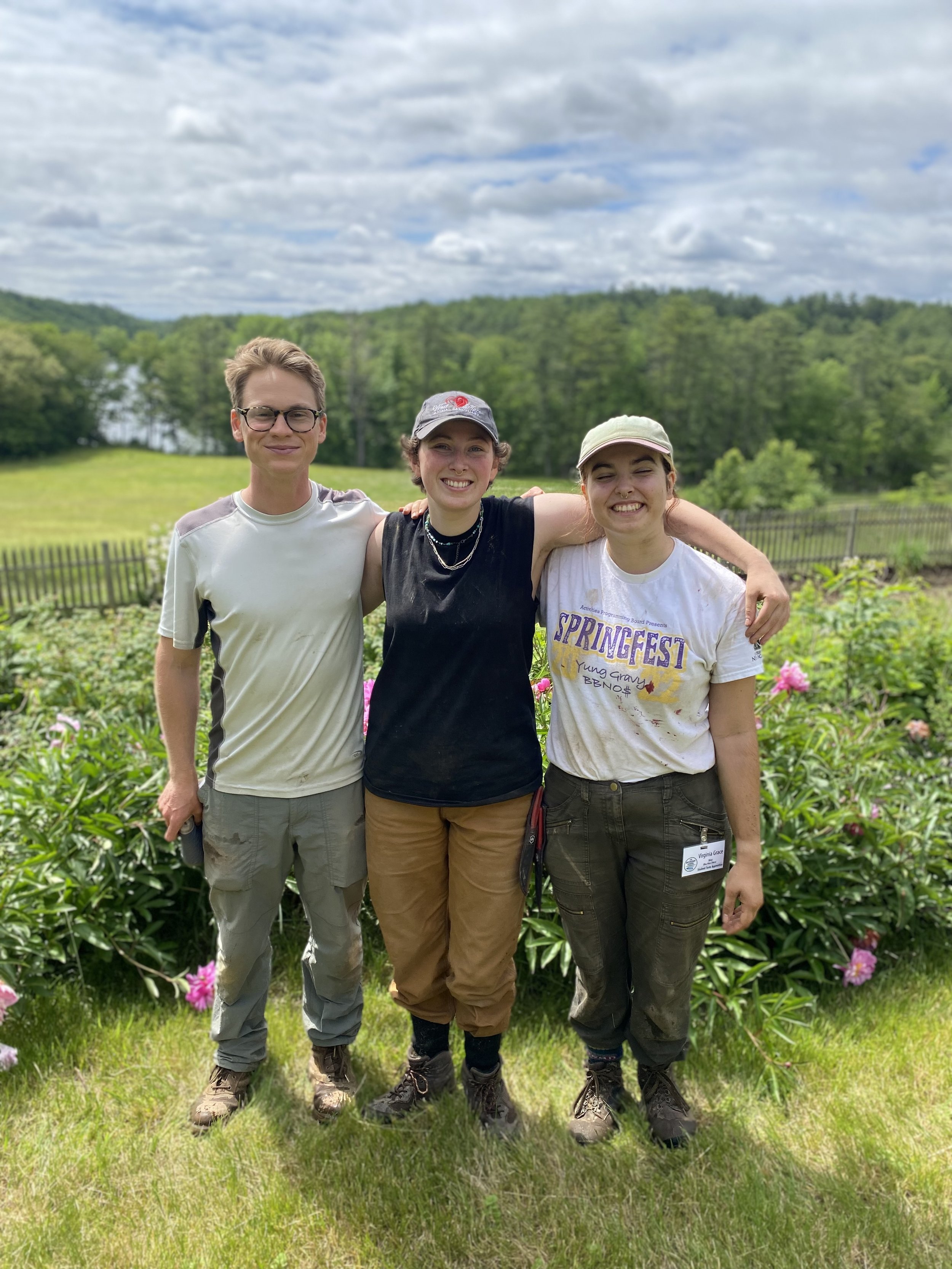
Student Farm Apprentice Program
Research Projects
ARC Project Initiatives
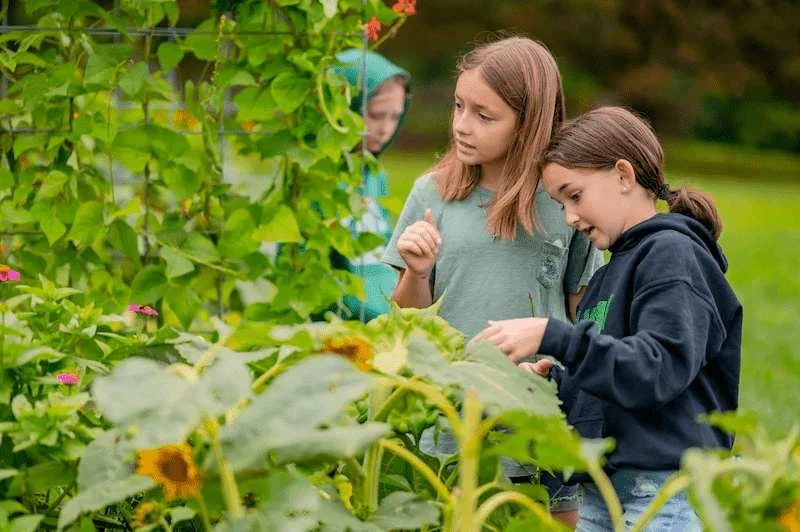
Food Systems Education & Farm-to-Table Initiative
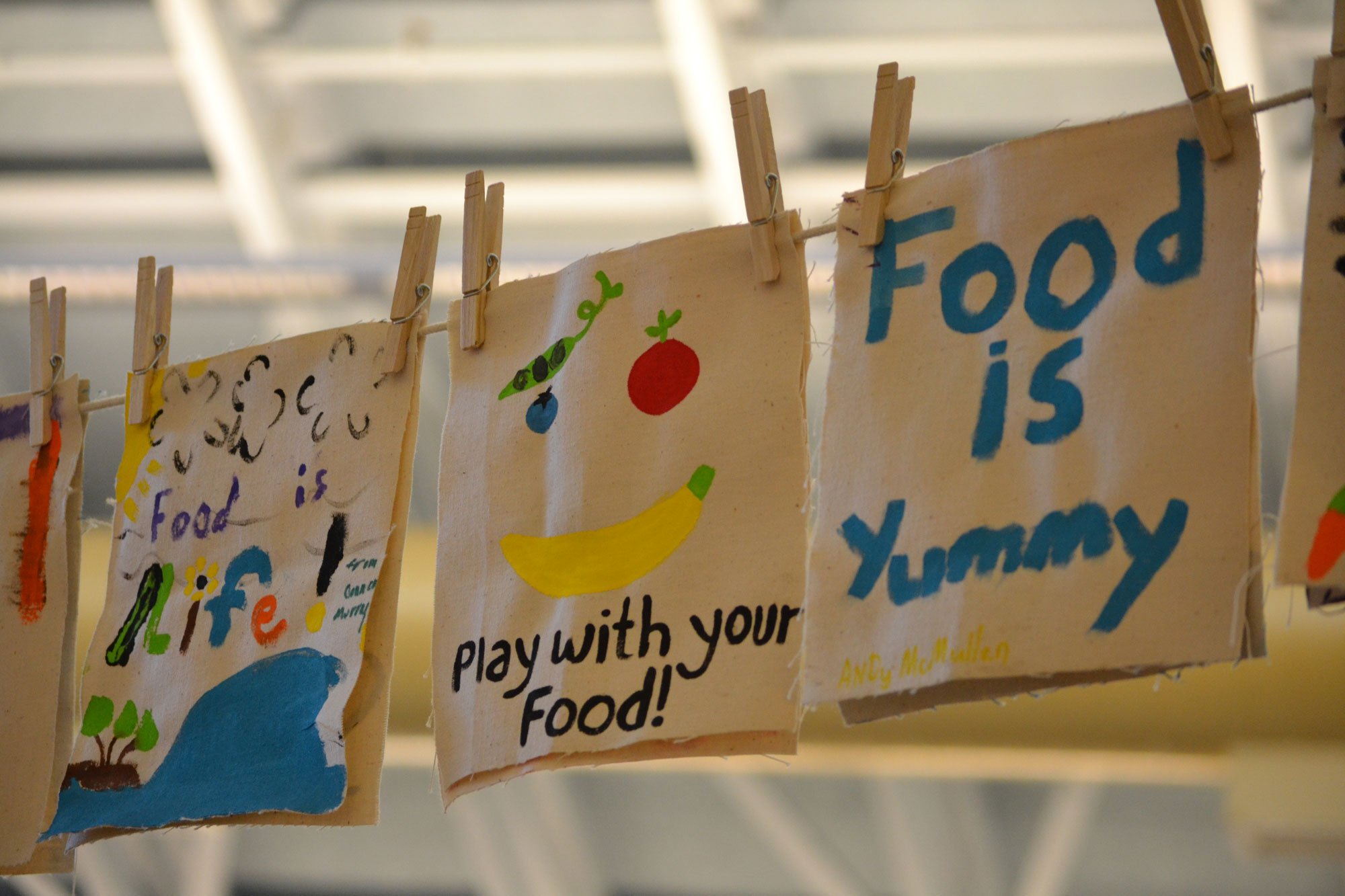
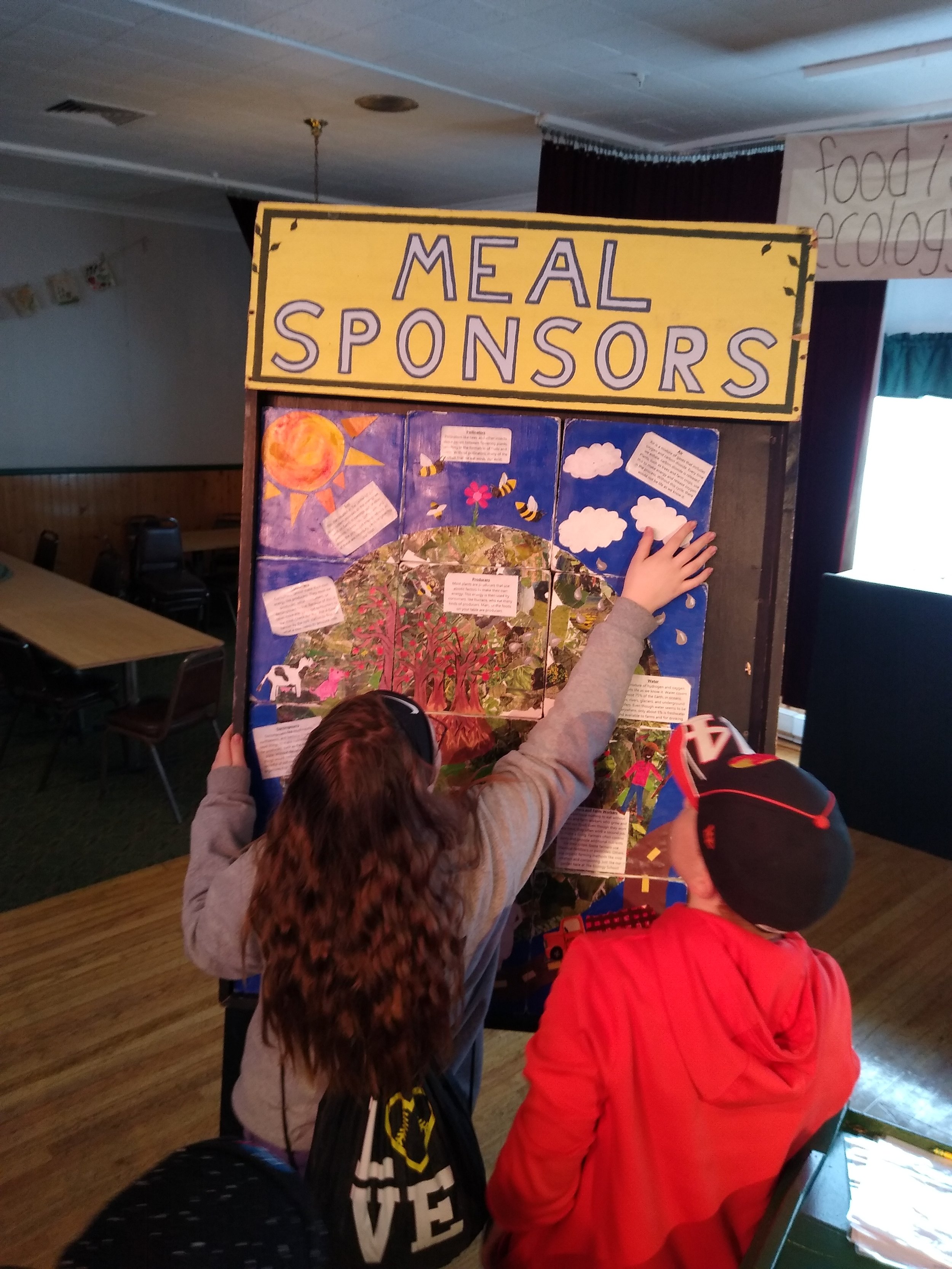
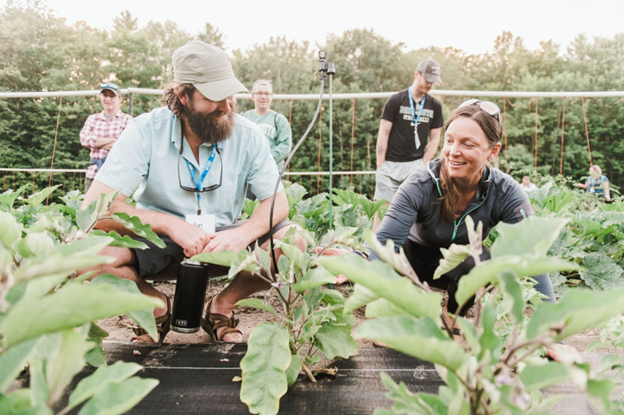
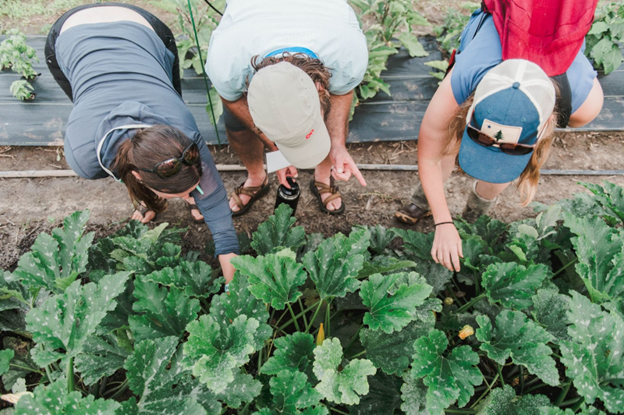
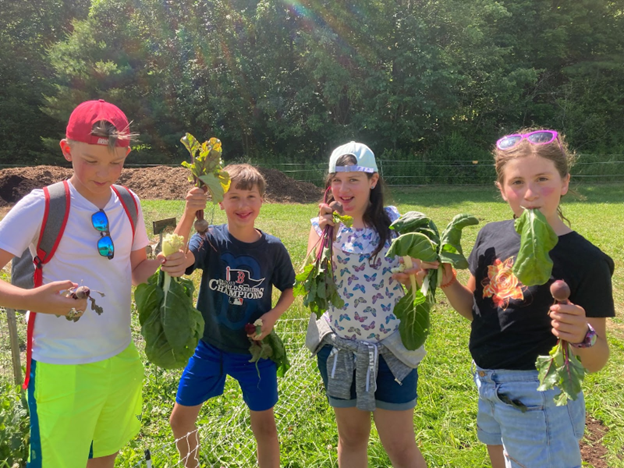
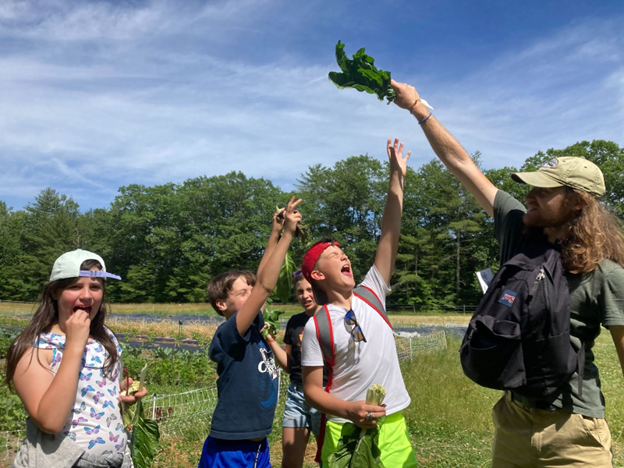
Our food systems education and mealtime lessons promote student participation at all stages of the food cycle including seeding, planting, weeding, harvesting, preparing, eating, setting & clearing the dining tables during our family-style meals, and composting.
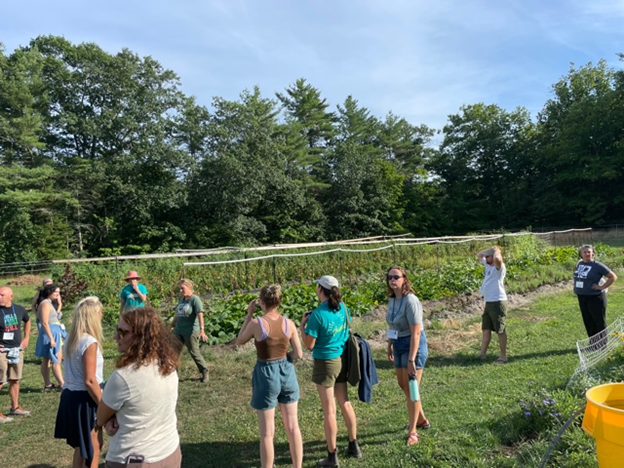
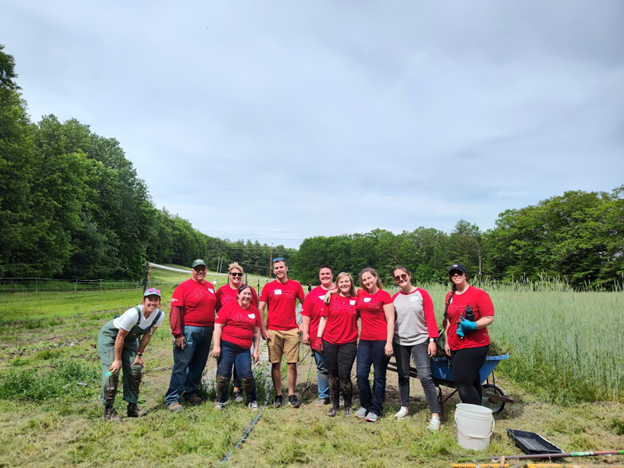
Adult program participants also have the opportunity to participate in farming activities and enjoy community-style meals made with produce grown right here at River Bend Farm.
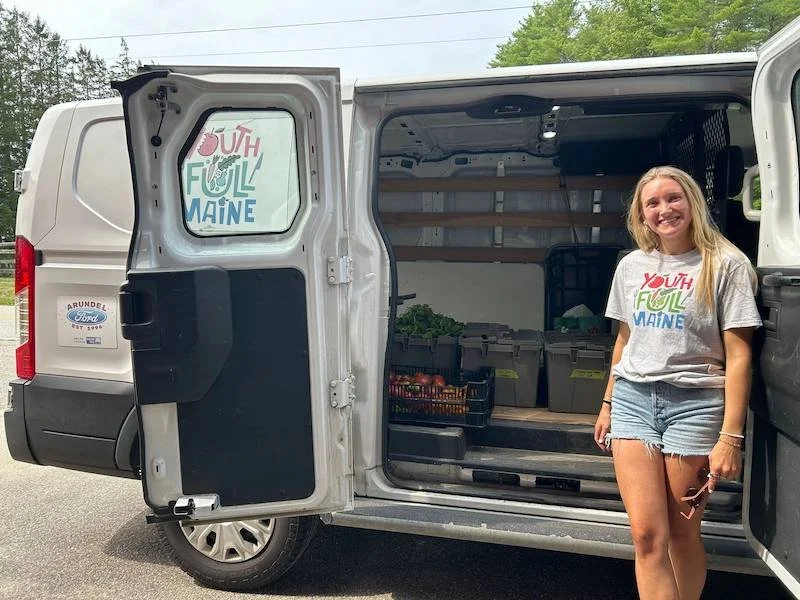
Community Partnerships and Local Food Pantry Donations
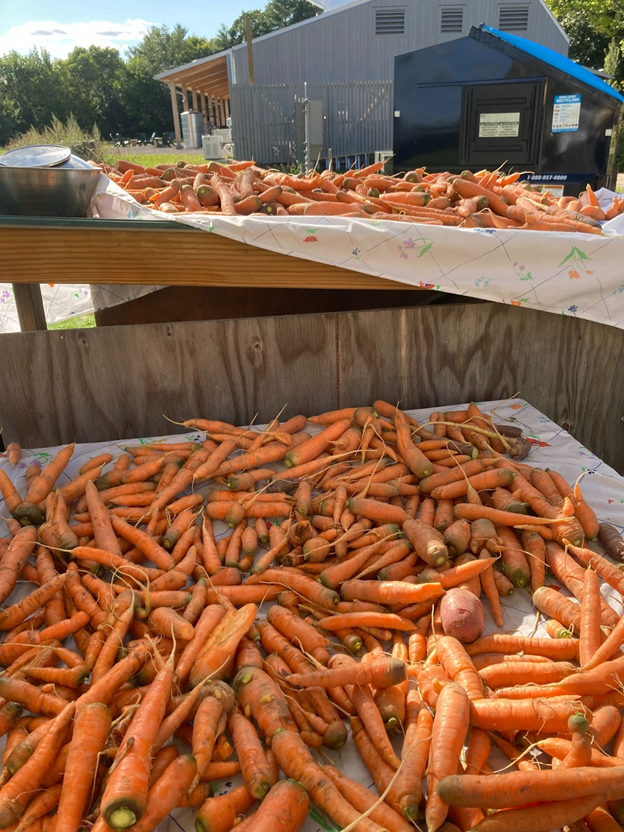
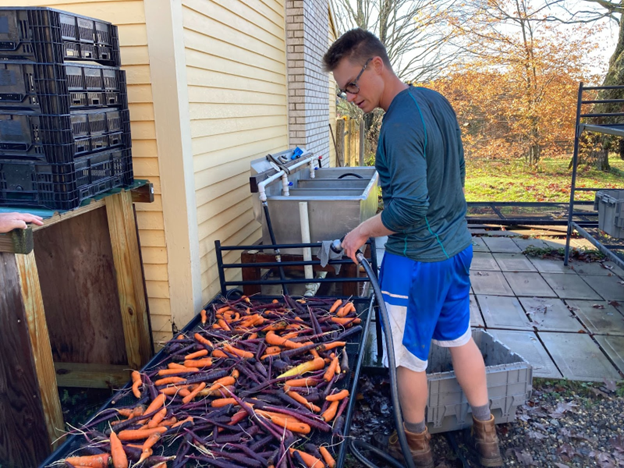
Through our ARC Project, we donate thousands of pounds of farm-grown produce to local organizations committed to addressing food insecurity. Since 2021, we’ve donated over 15,000 pounds of produce to local food pantries, helping to provide our neighbors experiencing food insecurity with healthy, fresh, and local food.
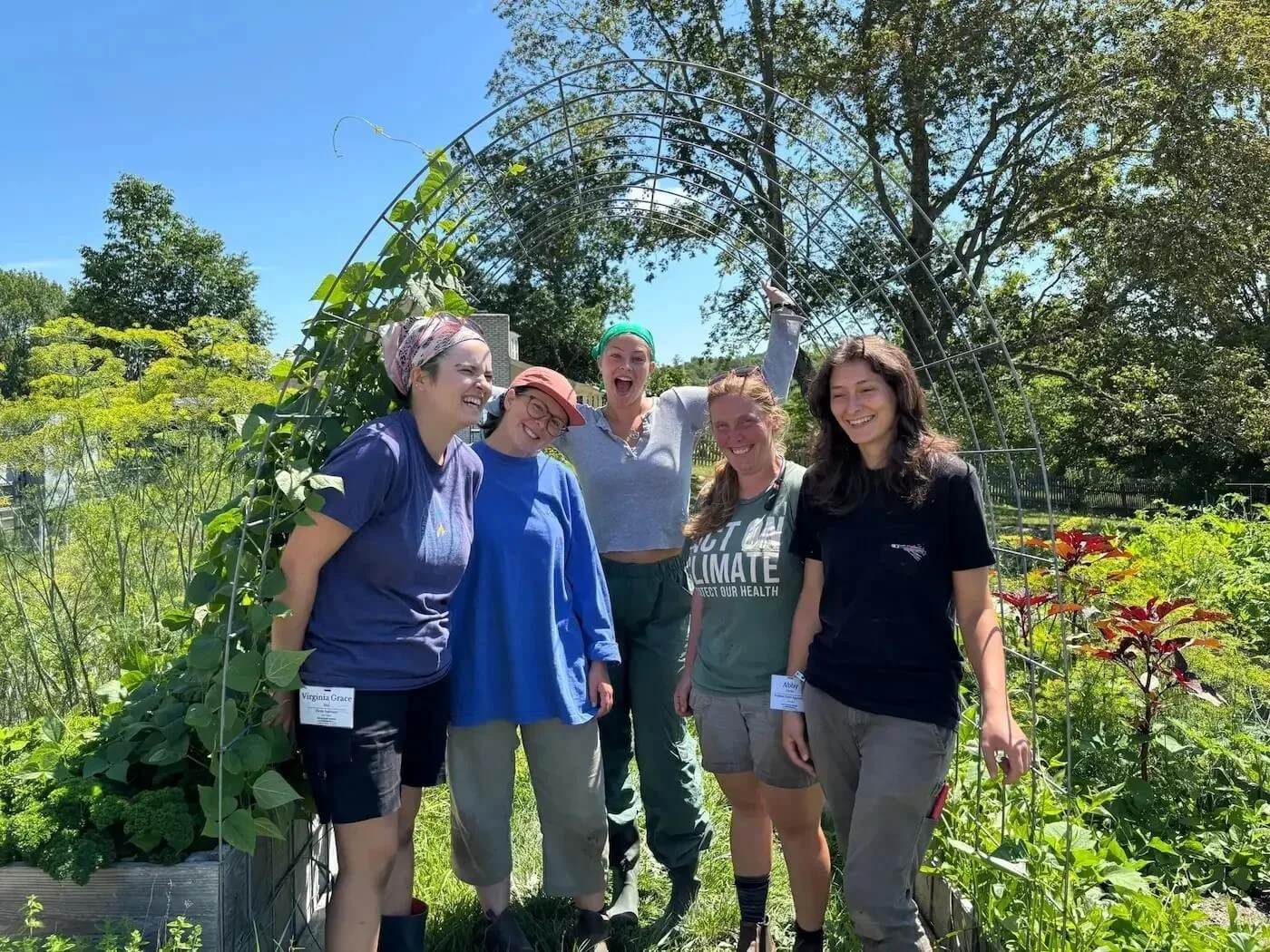
Student Farm Apprentice Program
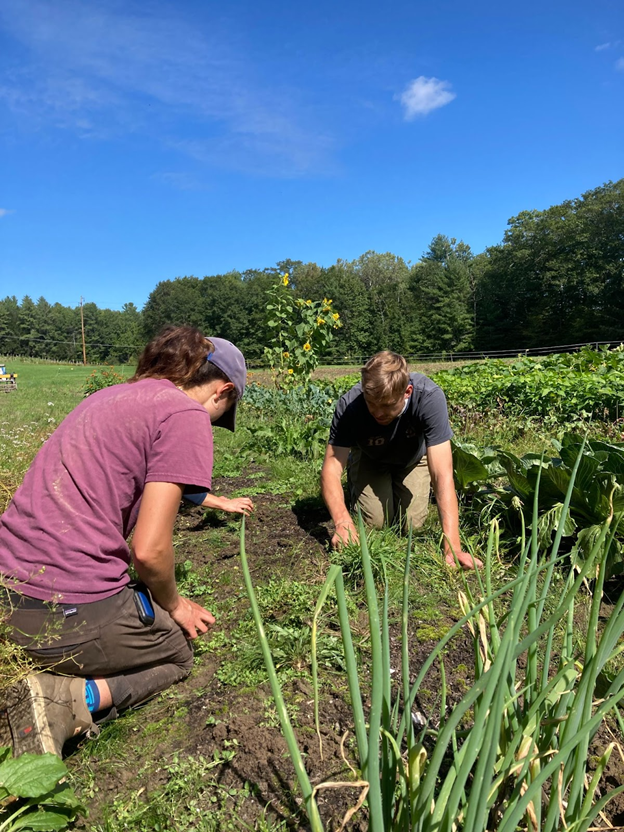
River Bend Farm strives to support the growth of young farmers through our Farm Assistant positions and our 350-hour Student Farm Apprenticeships. The positions include a 10-week curriculum that explores foundational concepts and context building surrounding topics of regenerative agriculture and related topics. If you are interested in learning more, connect with our Farm Manager.
To view open positions, visit our Employment Opportunities.
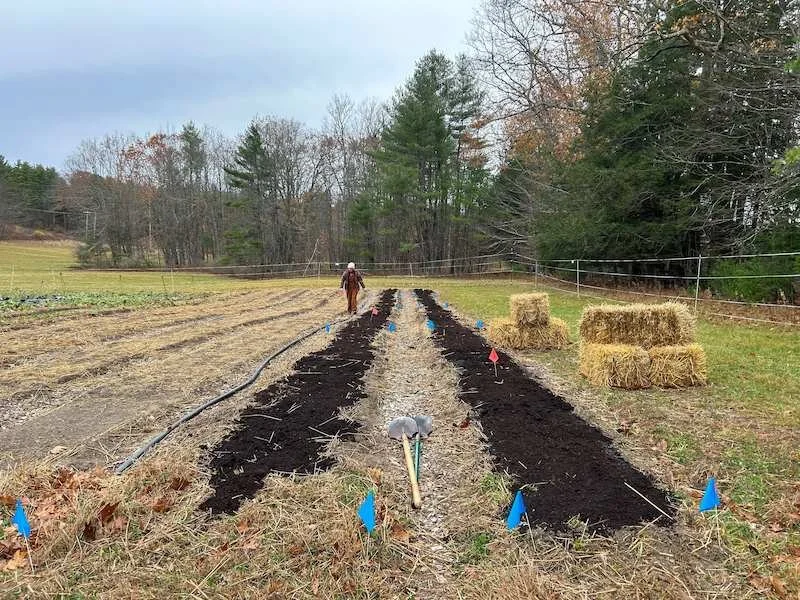
Research Projects
We work with a wide range of organizations and institutions furthering agricultural and environmental research. Current projects onsite include:
• Breaking Down Barriers to Biochar Adoption on Farms from Coast to Coast with American Farmland Trust
Our Growing Spaces
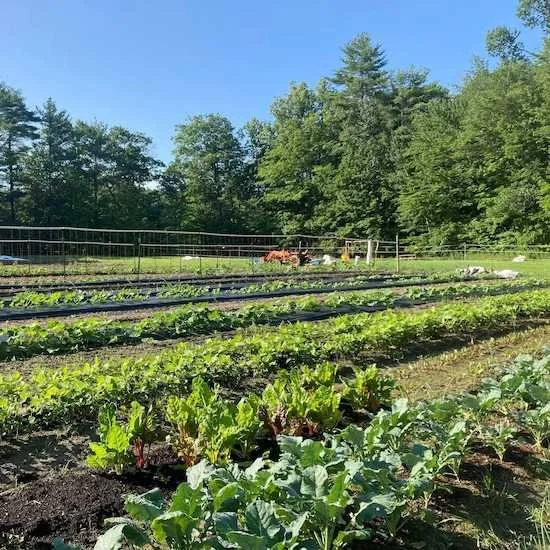
Production Field
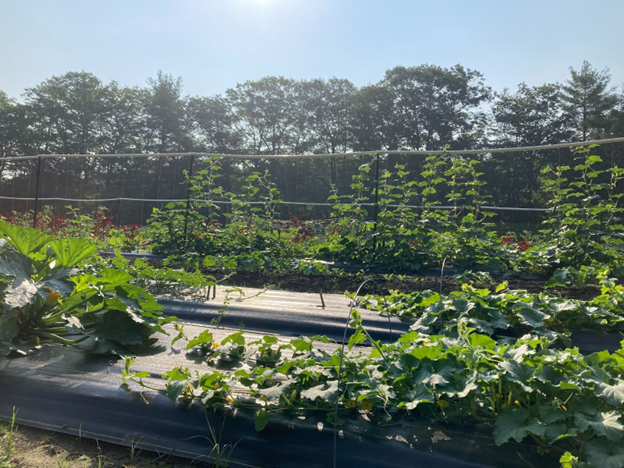
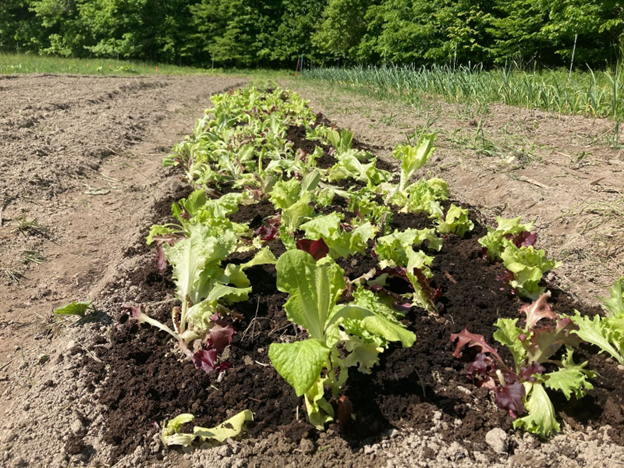
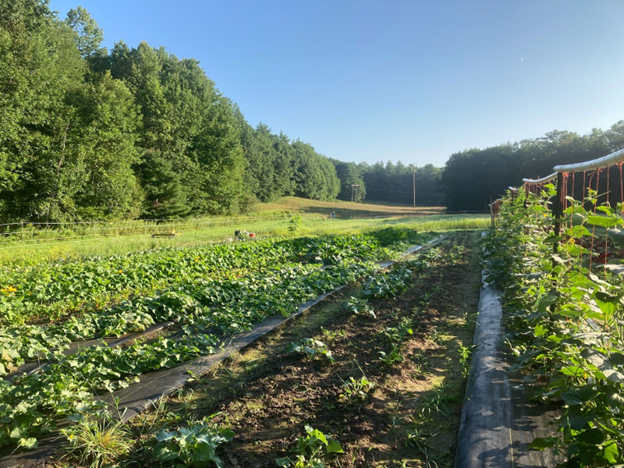
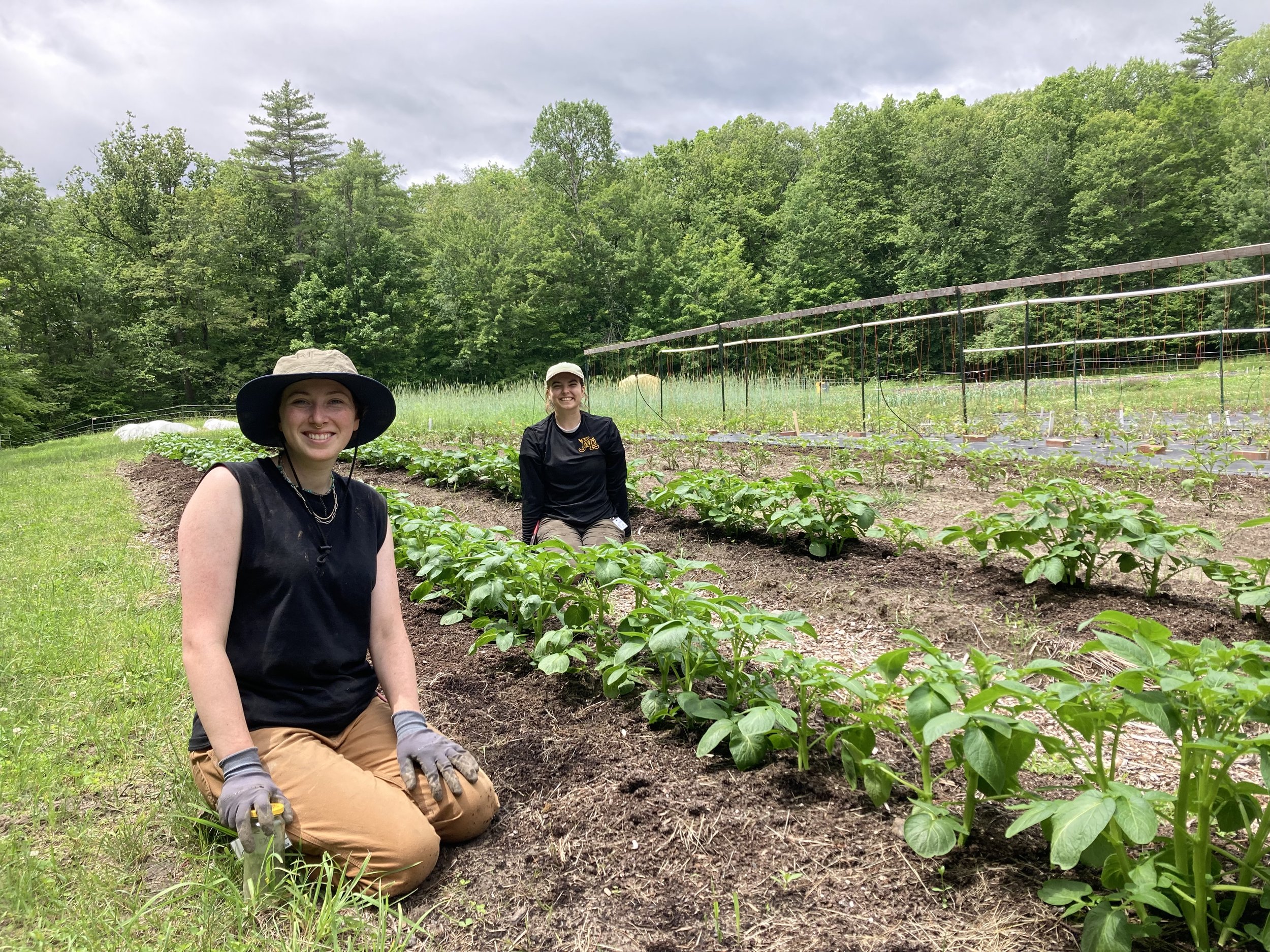
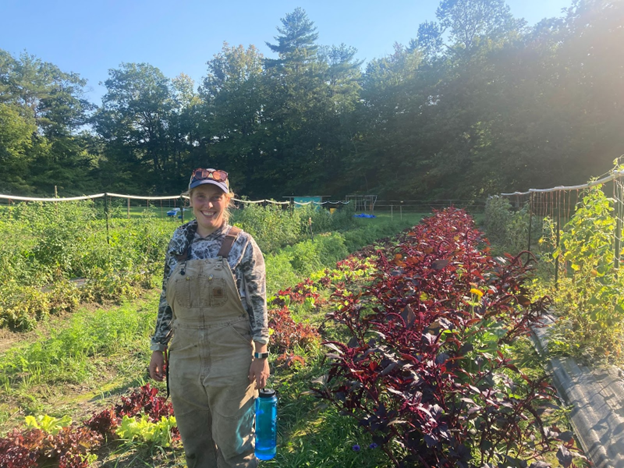
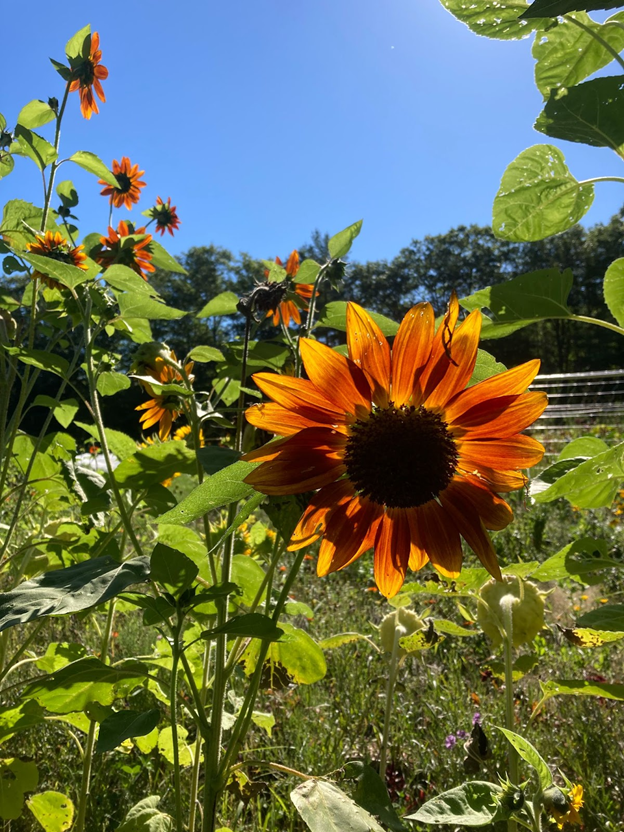
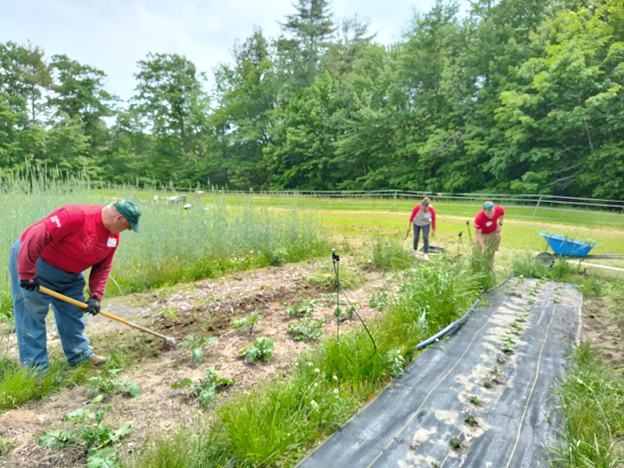
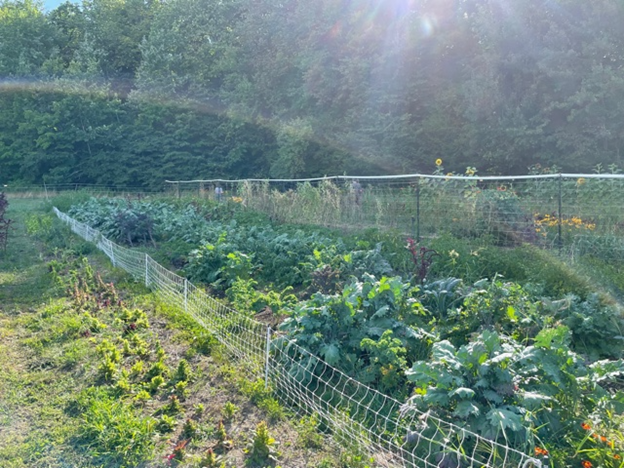
This 1.25-acre growing space lies in the rich soil along the Saco River. This was our first established growing area and is still our main production space. We aim for this to be a thriving agricultural ecosystem, bursting with a diversity of crops, flowers, insects, microbes, fungi, and learning opportunities!
Managed using no-till practices to promote soil health, ecological resilience, and long-term productivity
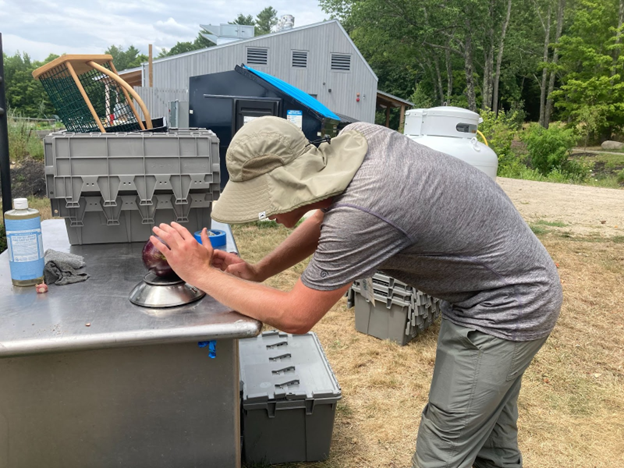
The bulk of our harvests for the kitchen come from this space
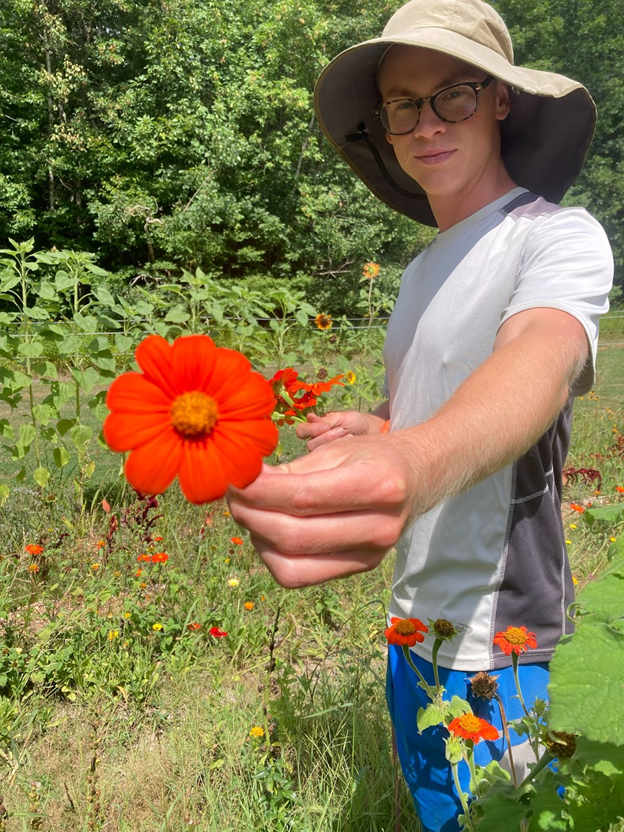
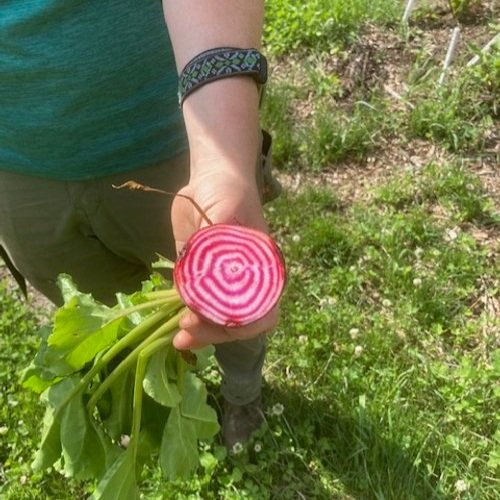
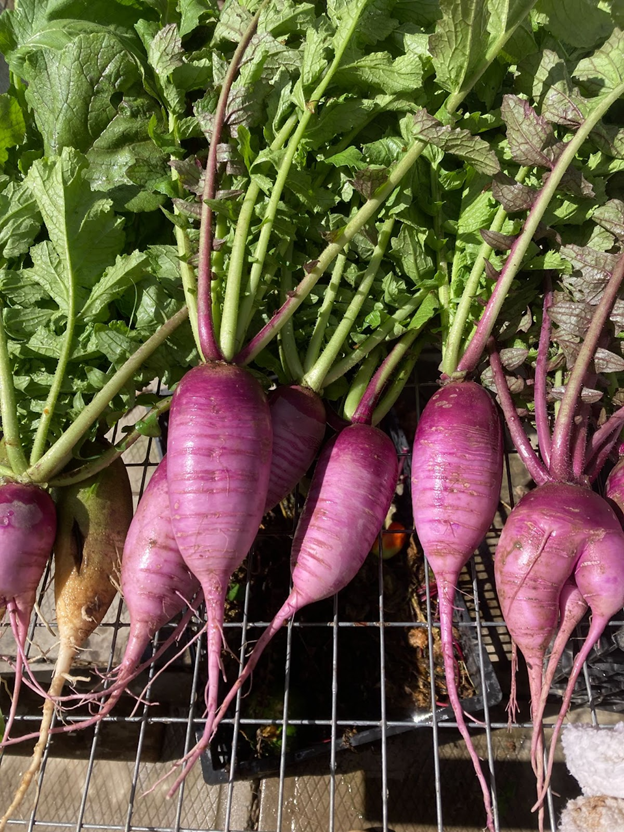
We grow a wide range of annual vegetables and flowers, as well as some perennial crops like rhubarb, asparagus, horseradish, and assorted herbs
Since 2020, we’ve harvested nearly 42,000 lbs of produce, primarily from this space
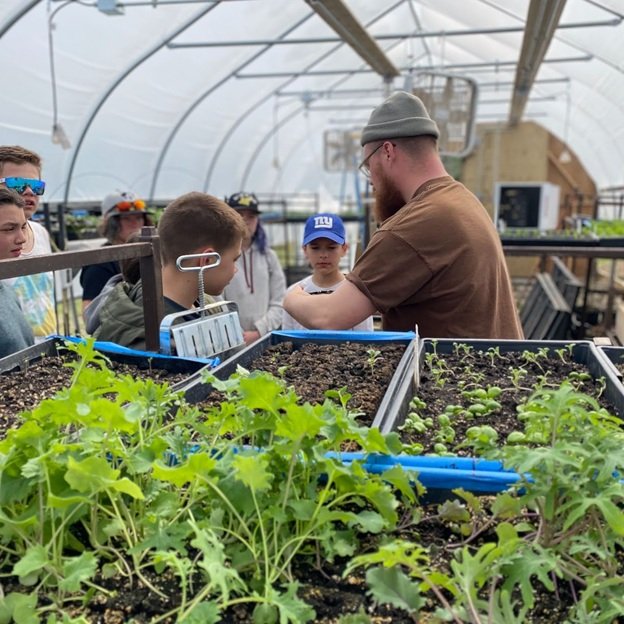
Greenhouse
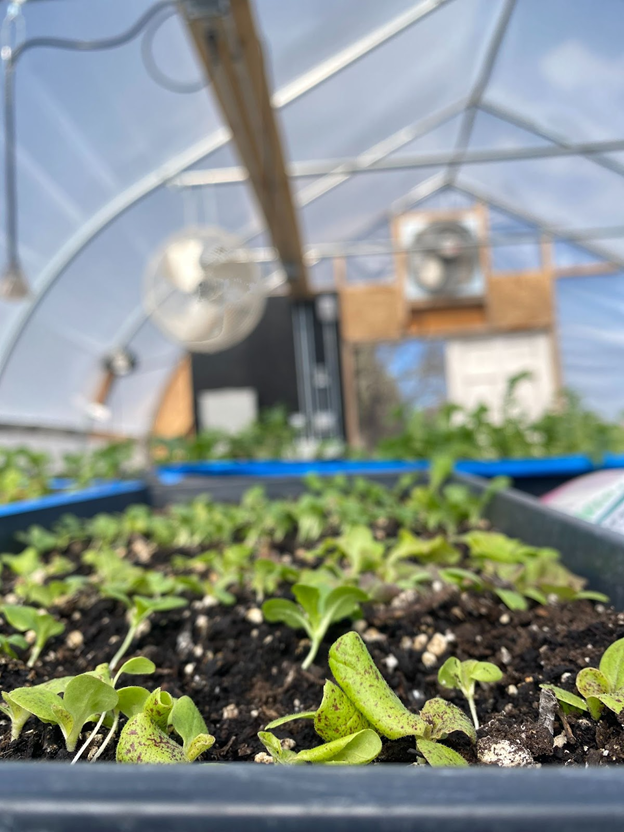
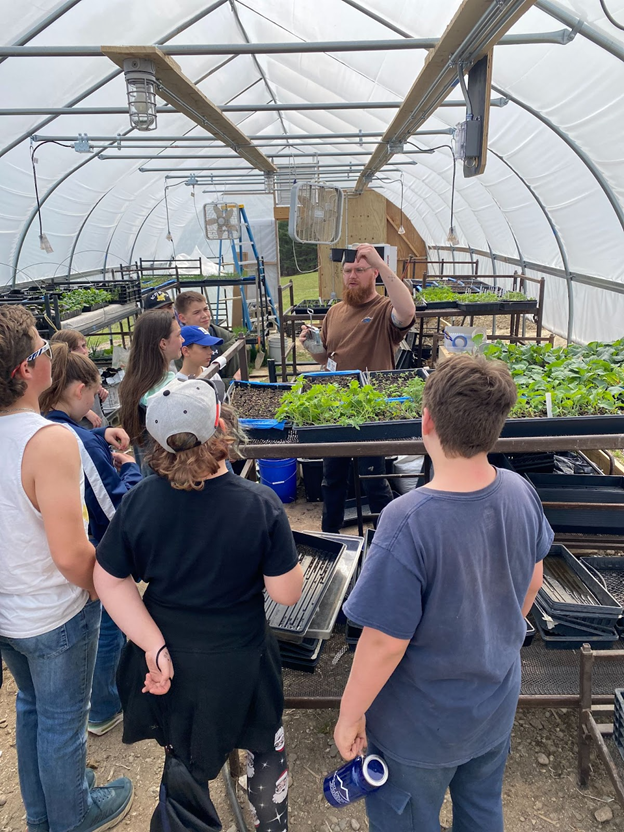
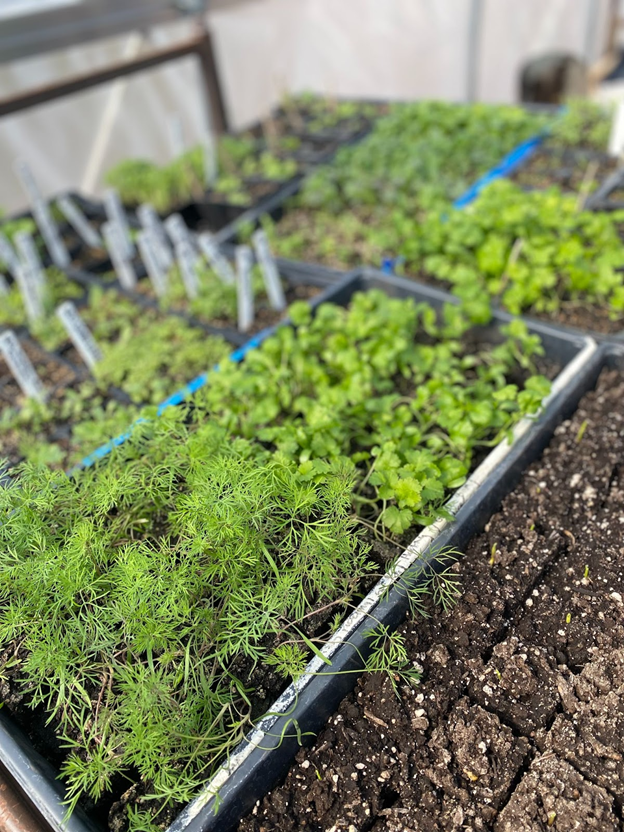
The greenhouse is both an education and production-focused space. It serves as a propagation space for spring seedlings and provides opportunities for students to participate in soil blocking and early-stage plant care. We use soil blockers to create compacted blocks of potting soil in which to seed a wide range of crops from tomatoes, peppers, and eggplant to lettuce, broccoli, and more! The soil blocks allow us to minimize the use of disposable plastics, and are a fun activity to do with students!
Our benches are upcycled old bunk beds
The greenhouse includes a few raised beds for early-season growing
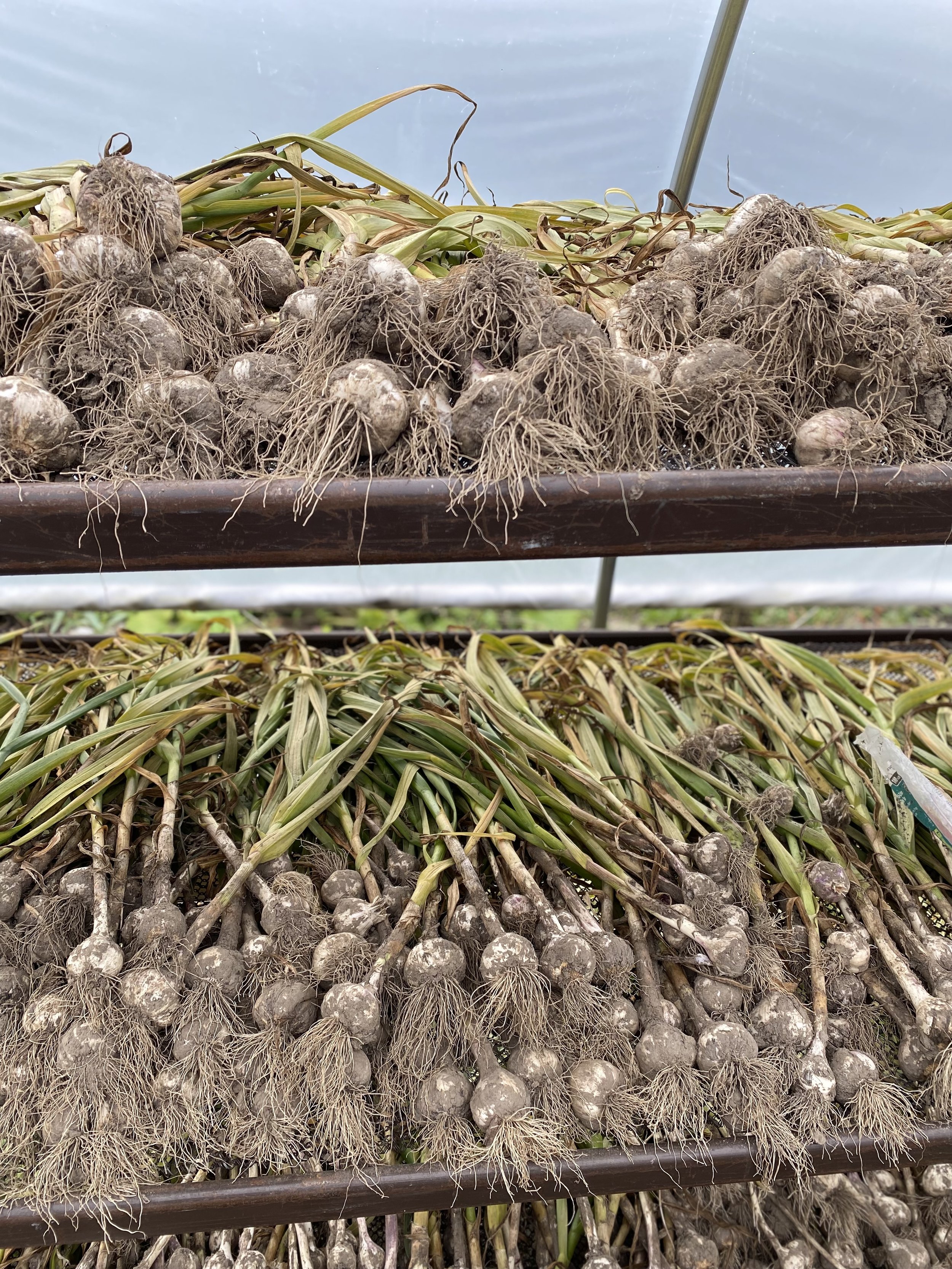
In the summer, we use the space to cure storage crops like onions, garlic, and winter squash
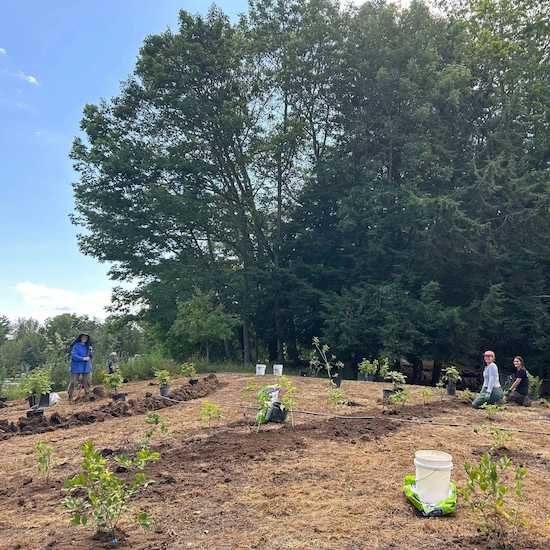
Food Forest
Our Food Forest is an agroforestry system that incorporates perennial food crops arranged in layers to mimic a natural forest ecosystem, including canopy, shrub, herbaceous, groundcover, and vine layers. We established this space, located next to our dormitory, in 2025. The space will be an exciting perennial system on our upper campus, demonstrating a different way to produce lots of tasty fruits and vegetables.
Our food forest is supported by UAIP (Urban Agriculture & Innovative Production) grant funding from the USDA
The food forest includes fruit trees, raspberries, blackberries, strawberries, rhubarb, elderberry, walking onion, sorrel, chives, grapes, and a range of other herbs and flowers
We are still expanding the food forest, and are excited to add additional plants in the coming years!
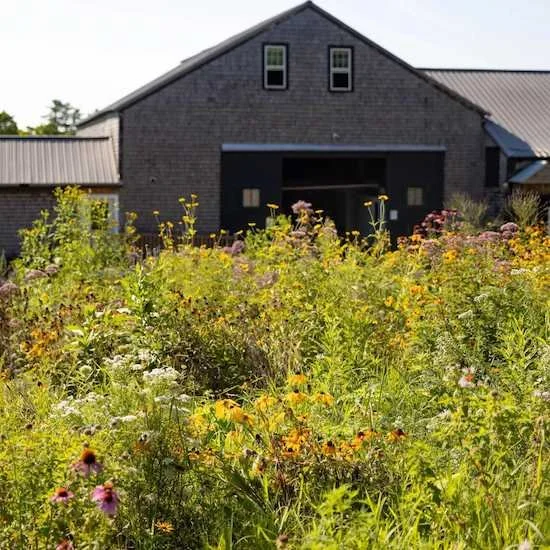
Pollinator and Rain Gardens
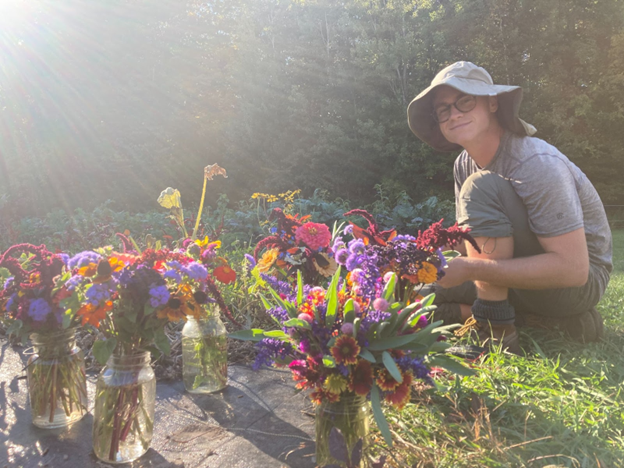
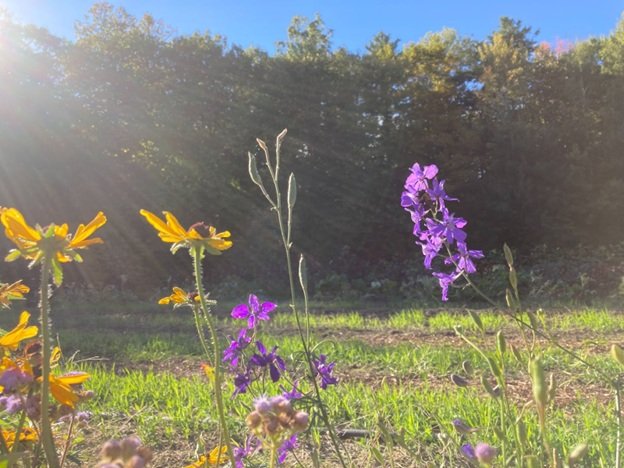
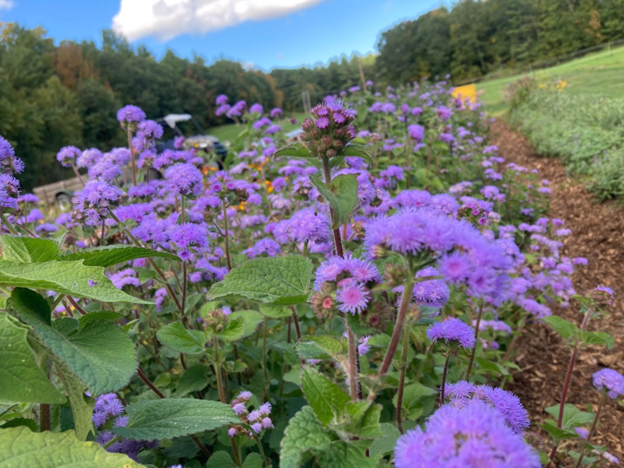
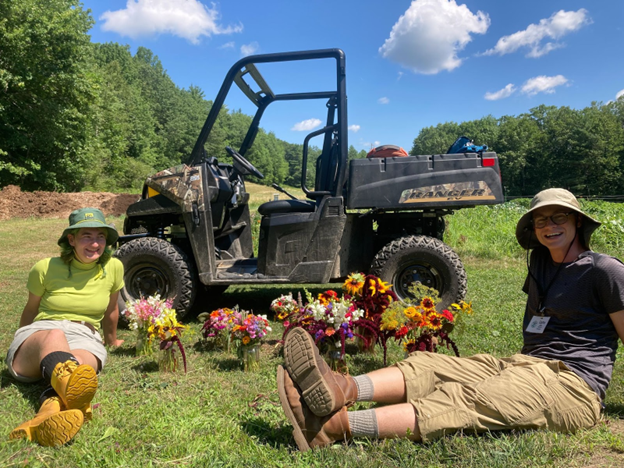
The pollinator and rain gardens are designed to support pollinators and help manage water flow on our upper campus. They include a diverse mix of native plant species and colorful blooms. We utilize these spaces throughout the season to observe insect activity, harvest blooms for flower arrangements, and to demonstrate seed-saving practices with participants.
Our pollinator garden was established in 2023. It includes a range of native and naturalized blooms, including vervains, rudbeckias, lobelias, hyssop, wild bergamot, echinacea, and more
Our rain gardens were established in 2021 and include a range of native shrubs, including elderberry, buttonbush, bayberry, blueberry, joe pye weed, dogwood, and more
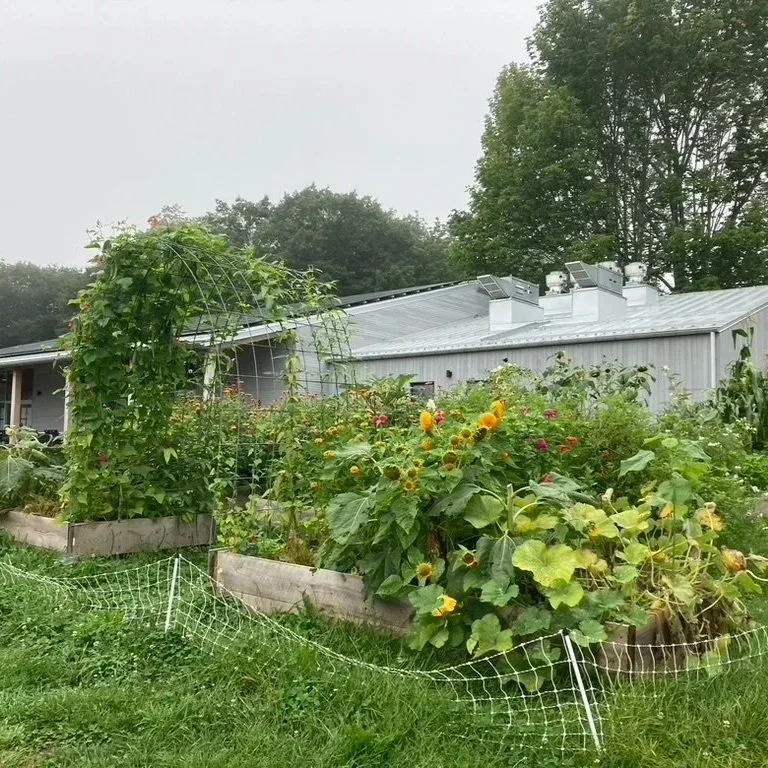
Edible Education Plots
These plots are raised-bed gardens located just steps from our kitchen, where fresh herbs are harvested for cooking, and students are encouraged to snack, explore, and learn through hands-on engagement.
Over a dozen raised beds planted with a range of annual and perennial crops
Favorites in the edible education plots include Matt’s Wild Cherry Tomatoes, Husk Cherries, and Mexican Sour Gherkins
Kitchen herbs in this space include chives, garlic chives, Egyptian walking onions, sage, thyme, lavender, basil, parsley, cilantro, rosemary, and more
To learn more about school gardens, check out this video series from our friends at ReTreeUs, filmed in our edible education gardens.
Orchard
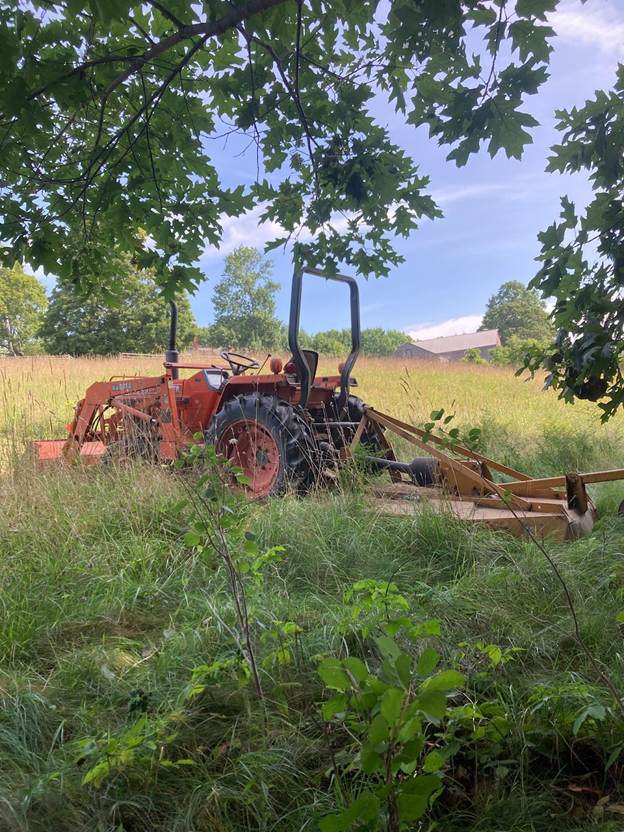
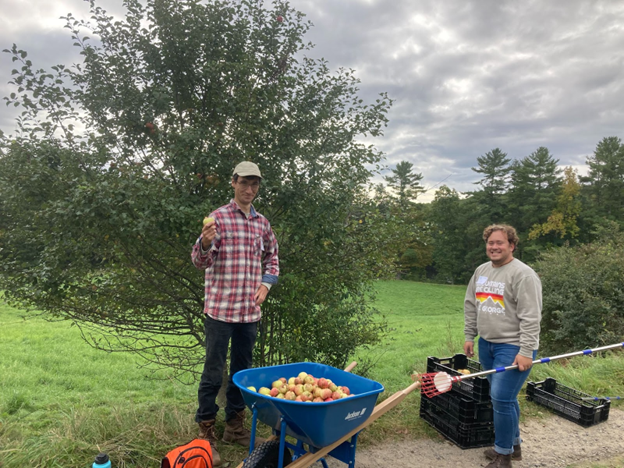
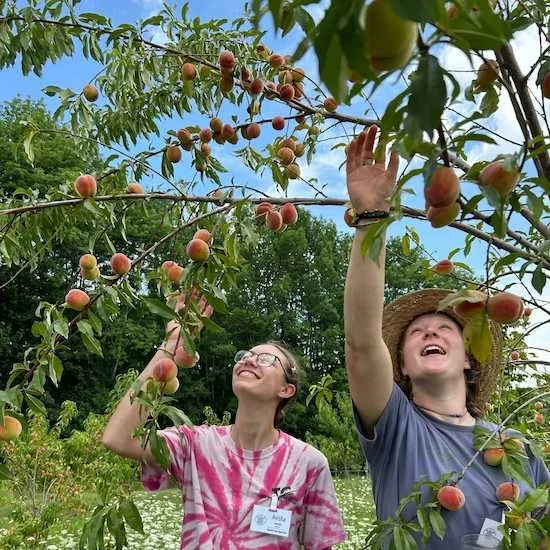
The orchard on our upper campus includes a mature apple orchard, and a younger orchard of peach, apple, pear, and a variety of additional fruit trees and berry plantings. We aim to have a diversity of species in our orchard to create a robust ecosystem full of pollinators and beneficial insects.
Our apple trees are biennial, meaning they produce a crop of fruit every other year, in our case in odd years!
The apples can be a bit tart to eat fresh, but they make amazing cider
Our peach trees were planted in 2021 in partnership with ReTreeUs
A mix of apple and other fruit trees were donated by Fedco Trees and planted with the Girls Scouts in 2022
“I’ve been able to build a comprehensive definition of agroecology for myself, see it out in the world, and have found ways I want to bring it into my own life. I have really realized how much it affects every aspect of our food systems and how essential it is to sustainable living.”
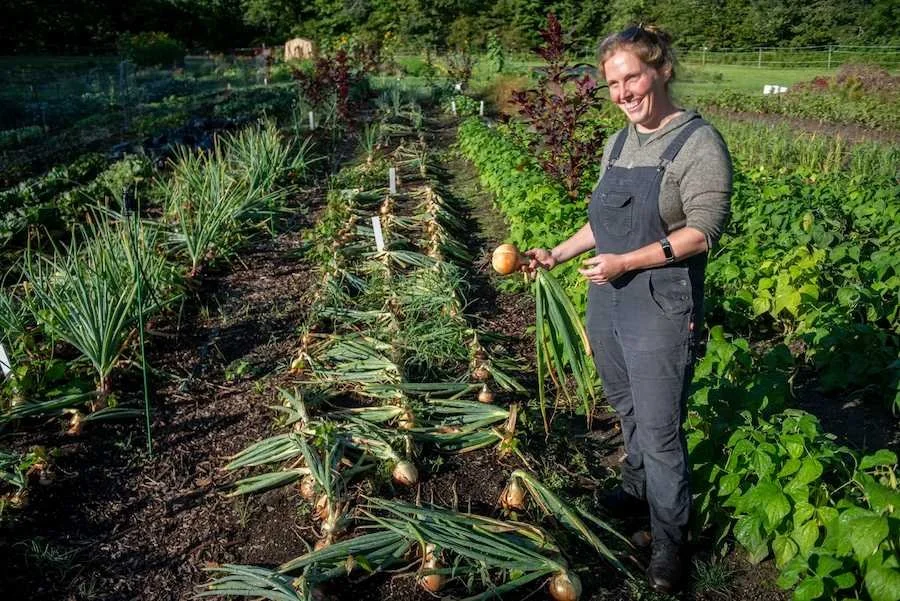
Meet Marguerite!
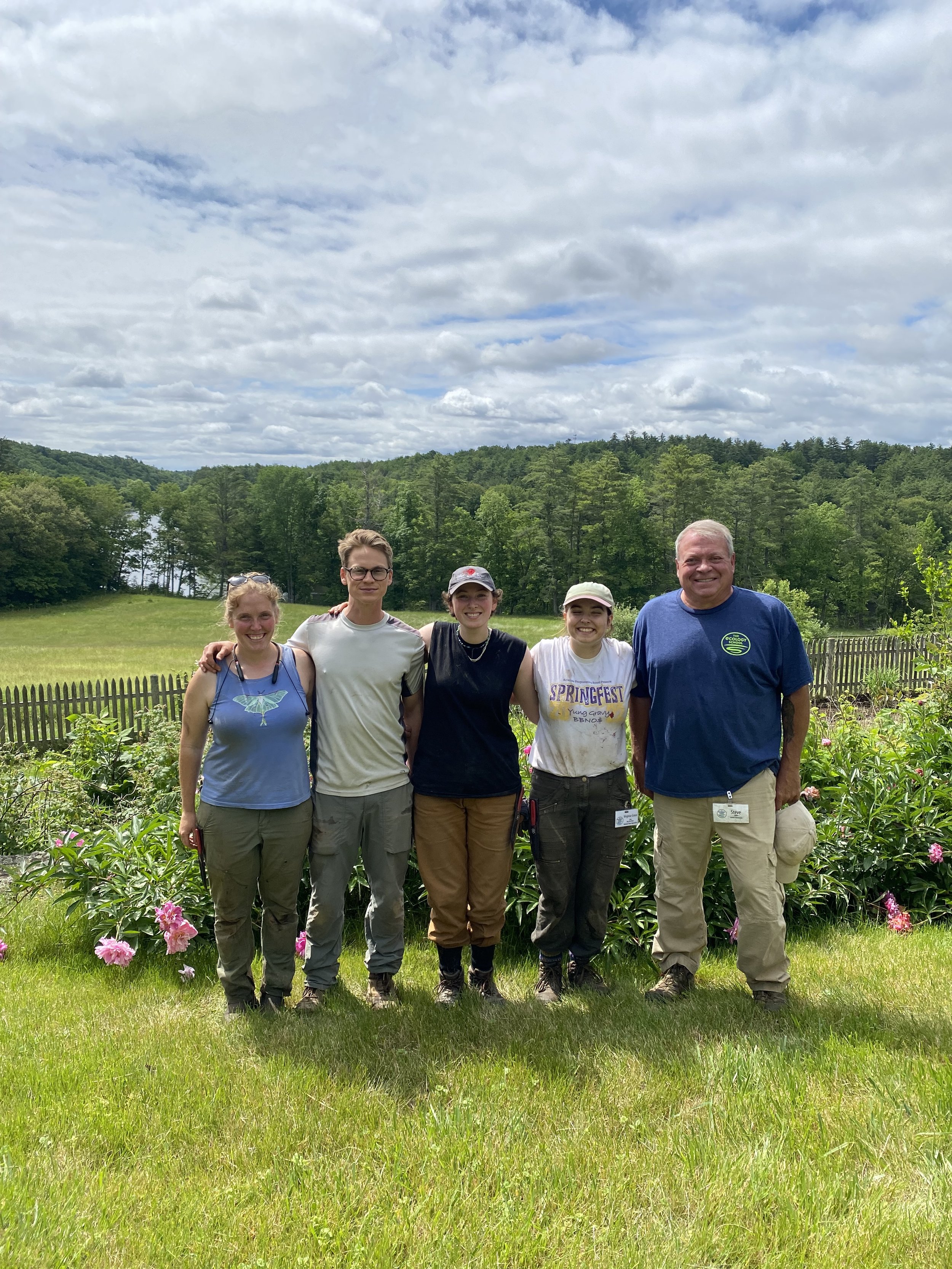
I joined the River Bend Farm team in 2021 and have enjoyed building our farm and educational growing spaces ever since. There’s something magical about watching participants and apprentices spend time on the farm, get their hands dirty, and make the connections between the work they are doing and the food on their plate at mealtimes. I’ve worked with amazing farm crews for the past 5 years and enjoy collaborating with our programs team and the kitchen team to incorporate the farm into our meals & food systems education.
Thanks to the generous support of our partners
We are grateful to the many individuals, businesses, and foundations who have financially contributed to The ARC Project. Because of this support, The Ecology School has been able to implement and expand our Food Systems program, train farm apprentices, and practice sustainable farming.
Their support has made a significant impact on our mission to promote healthy and resilient communities. A special thanks to Hannaford Charitable Foundation and American Farmland Trust for their generous donation to expand The ARC Project through an additional 200-acre land purchase along the Saco River. To learn more, click here.